
As San Miguel de Allende plans its growth toward 2050, water, infrastructure and permitted land uses matter more than ever to buyers, owners and investors.
- Land use (uso de suelo) defines what you can do on a property. In San Miguel, the land-use permit comes before the building permit.
- “Has utilities” is not enough: water service is proven with specific documents from SAPASMA, the local water utility.
- The city is updating its urban development and ecological zoning program with a 2050 horizon. It is a process in progress, not an approval for any particular lot.
- A home or lot is worth what is already documented, not what someone hopes will be allowed one day.
A terrace with a view, a house with history or a lot full of possibilities can catch any buyer's eye in San Miguel de Allende. But there is a question worth asking before you picture a remodel, a new build or an investment: what can you actually do with that property?
The answer goes beyond location and price. Land use, available services and the surrounding conditions help determine whether the project you have in mind can really happen.
This is especially timely. The municipal government has announced an update to its Municipal Urban Development and Ecological Zoning Program (PMDUOET) with a vision toward 2050. According to the official announcement, the goal is to steer growth toward areas with adequate water, services, infrastructure and sustainability. In September the update was in the second of seven phases, with a public consultation still to come. It is an update in progress; the announcement should not be read as permission to develop any specific property.
For the real estate market, the message is clear: knowing a property also means understanding the conditions that shape its future.
An attractive city also has to plan how it grows
San Miguel de Allende brings together interests that need to coexist: families who have lived here for generations, newcomers making it their home, local businesses and the protection of its natural and architectural heritage.
Growth can bring new housing, jobs and services. It also raises practical questions: how new areas will get water, how people will reach them and how they will fit into the life of the city.
The municipal update looks at both the urban core and its relationship with rural communities, as well as drinking water, drainage, mobility, energy, risks such as flooding and erosion, and the protection of natural areas, farmland and aquifer recharge zones.
In my view, this matters for anyone buying: a good location should also be judged by how it works day to day and by the conditions that can sustain its development.
What does land use mean for a buyer?
In practical terms, land use establishes which activities are compatible with a property and under what conditions.
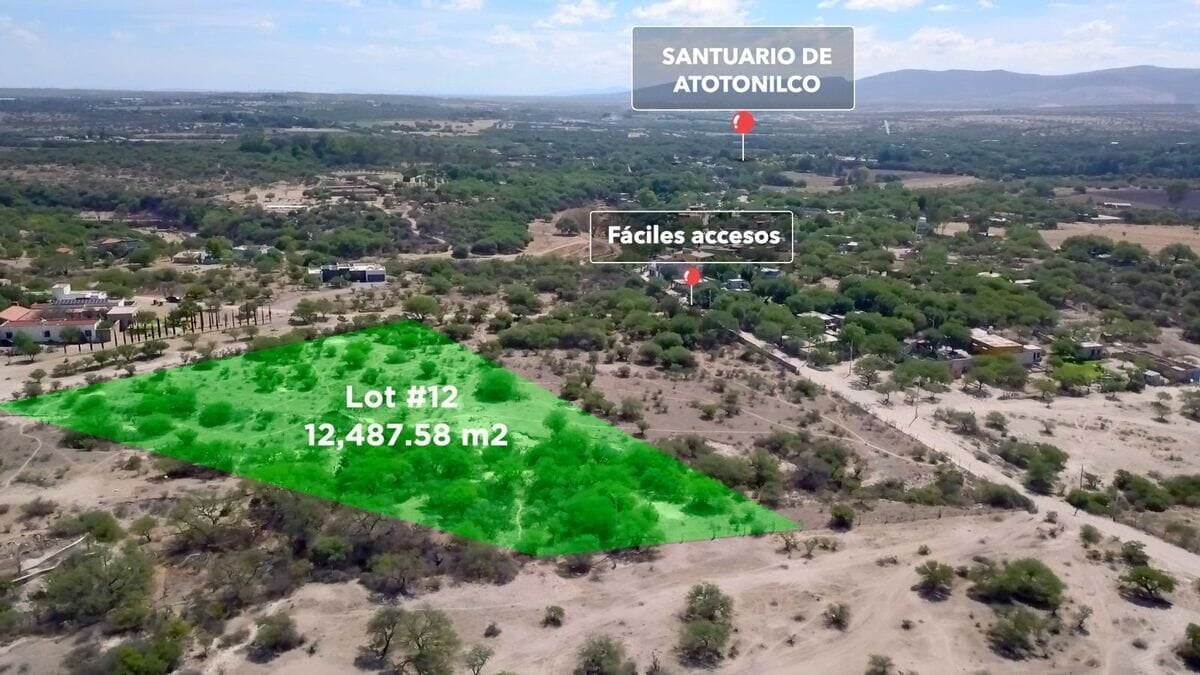
That matters when you want to build a house, add on to a property, subdivide a lot or use a space differently from how it is used today.
San Miguel's Territorial Code Regulation treats the two permits separately. Article 119 states that the land-use permit must be obtained before applying for a building permit, and articles 36 and 44 extend that requirement to any works and to the use of a property. The permits are related, but they serve different purposes.
So a nearby building, an open street or a project announced in the area is not enough to confirm what can be done on the property you are considering.
The review has to match the specific lot and the specific project you plan.
Water deserves its own review
In real estate conversations, “it has utilities” can sound like enough. It is worth asking exactly what that means and how it is documented.
SAPASMA lists separate procedures for a water feasibility letter (carta de factibilidad), feasibility for an individual hookup, feasibility for commercial and industrial connections, and the water and sewer service contract. That distinction shows why you need to know which document applies to your situation.
For a buyer, the questions are concrete: Is there an active service contract? Under what conditions? Does your planned use require anything else? Who is responsible for it?
The city has also shared 50-year water supply projections and stated it will not grant water feasibility to projects where there is not enough water capacity. Those citywide projections are different from the documents and conditions of an individual property.
Expectations about the city's growth do not replace verifying a property's own services.
The environmental debate matters to the real estate market too
The balance between development and conservation is part of the public conversation here. In its November bulletin (in Spanish), the El Charco del Ingenio botanical garden raised concerns about a real estate project on land next to the garden, including possible environmental and water impacts. The same bulletin cites officials who have stated that no permit exists for a new golf course. These are the organization's statements and should be read as such, not as a final ruling on any project.
For buyers and owners, the broader lesson is that understanding a neighborhood also means checking its environmental conditions and the rules that apply to the area.
Protecting the landscape and keeping the city working are tied to what many people come to San Miguel for: quality of life, identity and a community where they want to stay.
How does all of this affect a property's value?
An attractive price can spark interest, but whether a purchase makes sense also depends on what it will let you do.
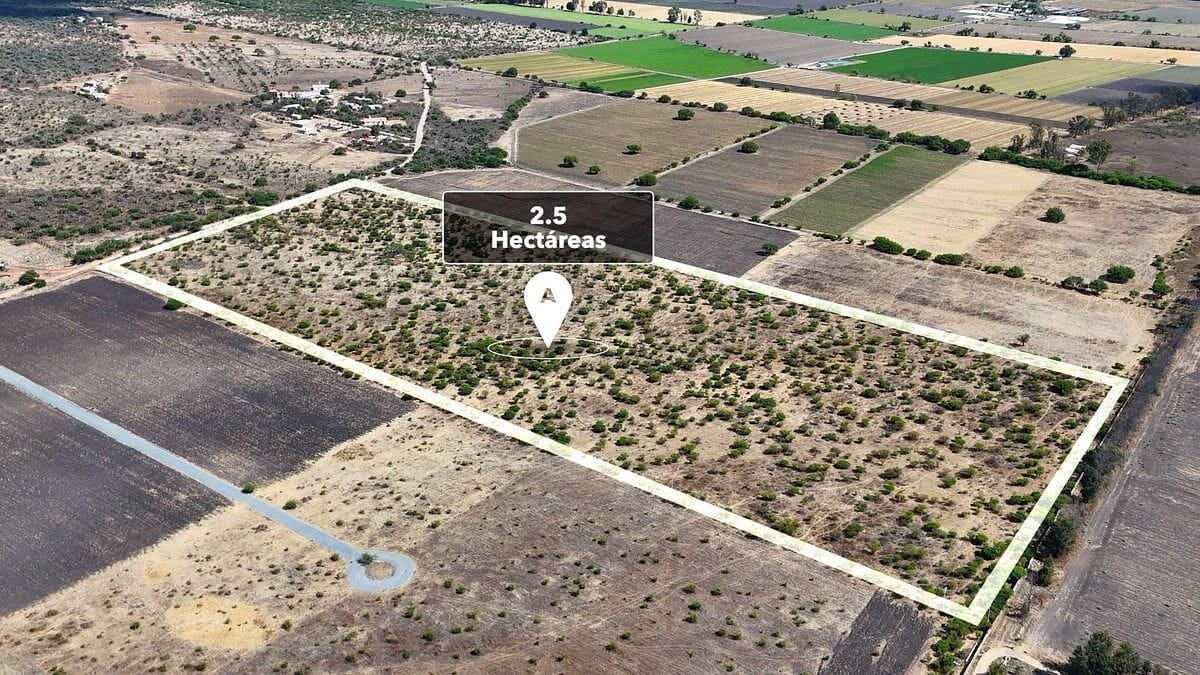
Picture two lots of similar size. One has documented conditions that fit the buyer's project; the other needs studies, permits or additional infrastructure. Even if the second is cheaper, the comparison is incomplete until you know the cost, time and feasibility of those steps.
The same applies to a house you want to expand or adapt for a different use.
| Level | What it means | How it weighs on price |
|---|---|---|
| Documented | The paperwork exists: land use, active service contract, valid permits. | Can be valued with confidence. |
| Needs approval | The project is possible, but studies, permits or works are pending. | Factor in the cost, time and risk of those steps. |
| Expectation | Depends on future changes to the area or the rules. | Needs support before it becomes an argument for value. |
From a commercial standpoint, that clarity lets you negotiate with better information and narrows the gap between what someone thinks they are buying and what they will actually be able to build.
Five questions before buying a home or lot in San Miguel de Allende
Before making a decision, I recommend putting these questions on the table:
- Does the permitted use match what I want to do? Describe the full project, including any planned additions or changes.
- What documents support the advertised services? Know their scope and which steps may still be pending.
- Are there restrictions to review? Depending on the property, urban, environmental, heritage or HOA rules may apply.
- What work and permits are missing, and who will take them on? Build them into your budget and your negotiation.
- Am I paying for a current condition or a future possibility? A promise of growth needs support before it becomes a reason to pay more.
These questions apply to Mexican and international buyers alike. Many buyers arrive with experience from other markets, which is exactly why local procedures should be explained and the applicable documents verified. See also our guide to buying property in Mexico as a foreigner.
Sellers benefit from preparing too
This review helps owners as well.
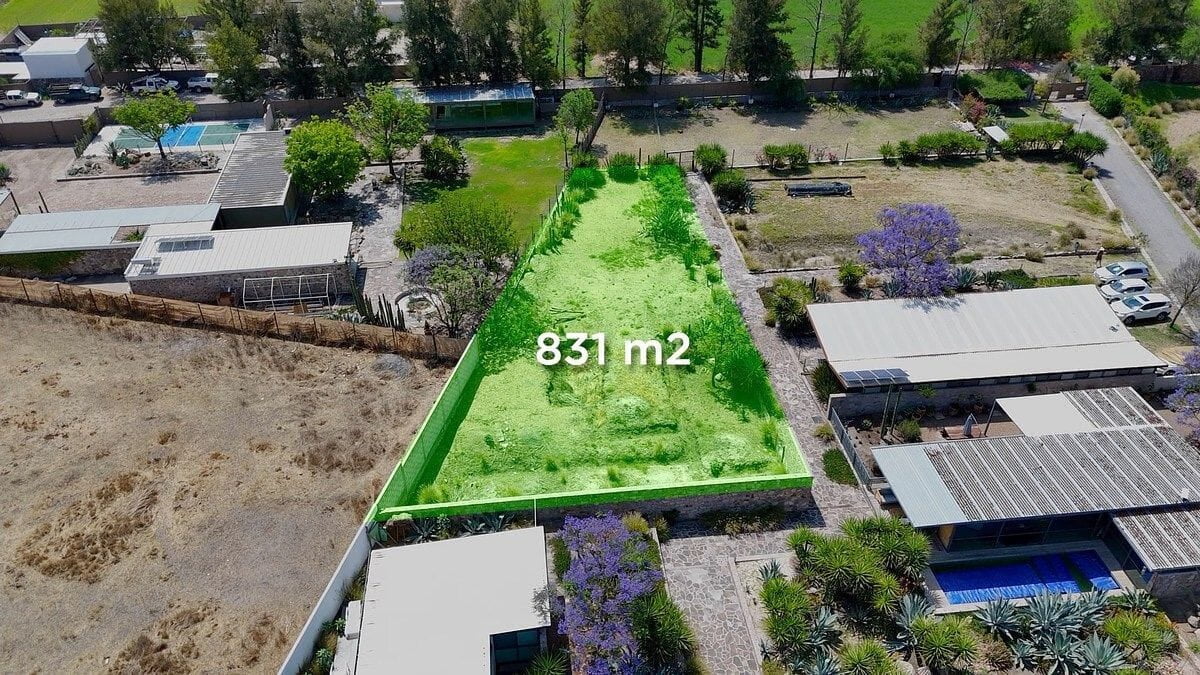
Before listing a house or lot, knowing which information is available and which points need clarifying lets you present the property more accurately.
Well-prepared marketing can show a property's strengths and explain its possibilities with support. It also anticipates questions that, if they surface late in a negotiation, can create uncertainty or delays.
At RESMA we support that preparation with market analysis, a price opinion and a review of the legal and documentary points that apply, working with the specialists each case requires.
Public documents you can check
Before you talk to a notary, an architect or the authorities, these public documents (in Spanish) help you understand an area's context:
- Municipal Urban Development and Ecological Zoning Program 2019-2040. The city's planning institute (IMPLAN) keeps the documents and maps from the 2019 public consultation online: full program, zone sheets (UGAT), zone map, zoning model map and city urban development strategy.
- Municipal Territorial Code Regulation, which defines land-use and building permits (PDF).
- SAPASMA procedures for water feasibility and service contracts (requirements).
- Municipal statistical and geographic information system at IMPLAN.
The 2019 maps are the version released for public consultation, and the program is being updated. For a specific property, confirm with the city's Urban Development office which rules apply today.
Buying with the full picture
San Miguel de Allende will keep drawing people for its architecture, its culture and its way of life. Protecting that appeal means paying attention to how the city grows and to the conditions that make it livable.
As RESMA's director, I believe part of our job is helping each person understand the property they are considering: its strengths, its current conditions and what needs to be resolved before moving forward.
The best real estate decision is one where the buyer's plans and the property's conditions line up clearly.
Buying or selling in San Miguel de Allende?
If you are considering a home or a lot, talk to our team. We can help you review the market context and identify the information you need for your next step.
Browse propertiesNeighborhood guidesTalk to RESMASources
- City of San Miguel de Allende, announcement on the 2050 growth plan (in Spanish), September 2, 2026.
- City of San Miguel de Allende, 50-year water projections (in Spanish), October 7, 2026.
- Reglamento del Código Territorial para el Municipio de San Miguel de Allende, Gto. (published March 1, 2016; last amended December 13, 2024): articles 36, 44 and 119.
- IMPLAN San Miguel de Allende, PMDUOET 2019-2040 public consultation (documents and maps, in Spanish).
- SAPASMA, requirements and procedures (in Spanish). Accessed November 20, 2026.
- El Charco del Ingenio, November 2026 bulletin (in Spanish).
Related reading: 2026 real estate prices · monthly budget after buying · closing costs · the dollar and property buyers · neighborhood guides · Director's Blog